

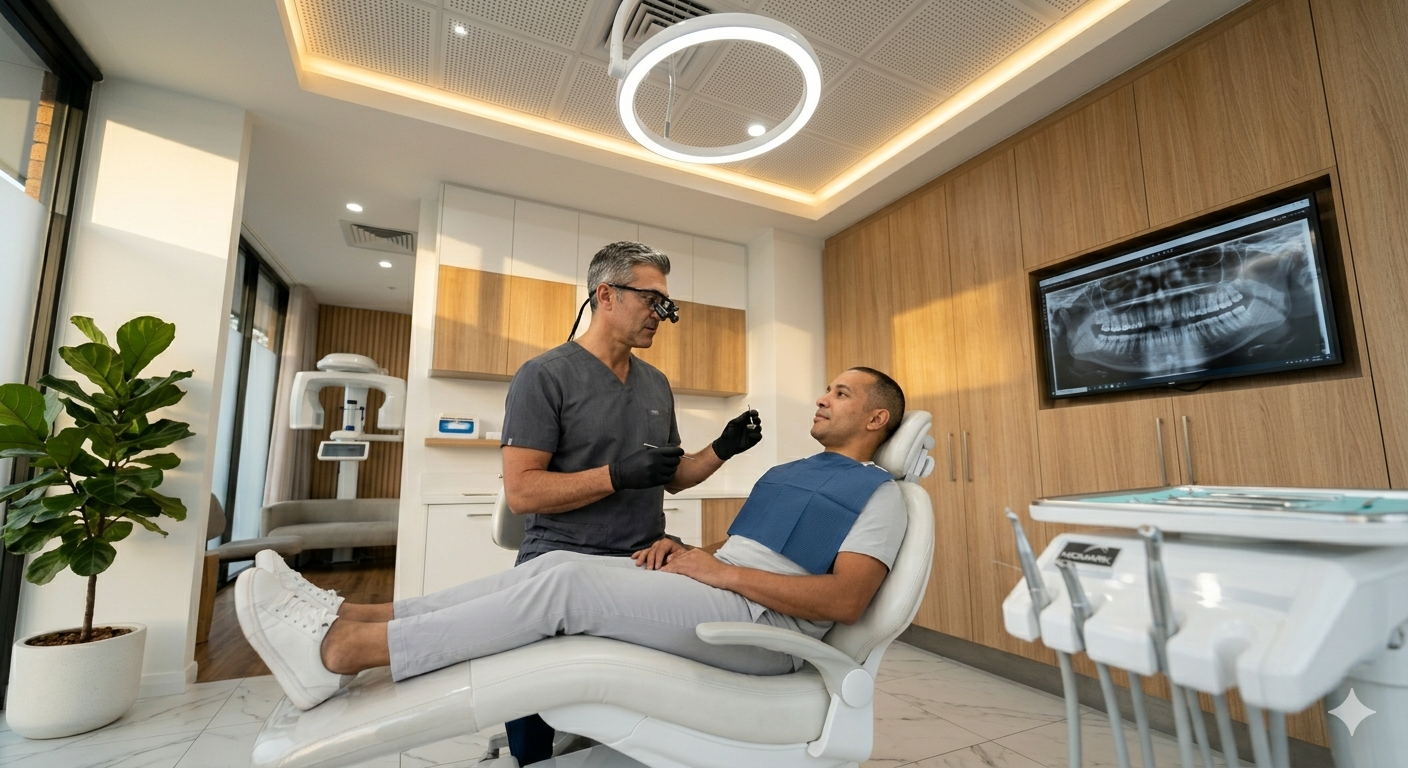
Dental implants in Oskaloosa, IA, offer a reliable and natural-looking solution for those missing one or more teeth. They provide a secure, long-lasting way to restore your smile and improve your ability to eat and speak comfortably. This option mimics the function and appearance of real teeth, making it a popular choice among patients seeking lasting dental care.
The process involves placing a small titanium post into the jawbone, which acts as an artificial tooth root. Over time, this post fuses with the bone, creating a stable foundation for a custom-made crown. Whether someone has lost teeth due to injury, decay, or other reasons, dental implants can enhance both oral health and confidence.
Patients in Oskaloosa appreciate that modern implant techniques focus on comfort and precision. Local dental professionals often work closely with each person to craft a treatment plan tailored to individual needs. If someone is curious about how dental implants might fit into their care, a consultation with a trusted dentist is a great next step.
What Are Dental Implants?
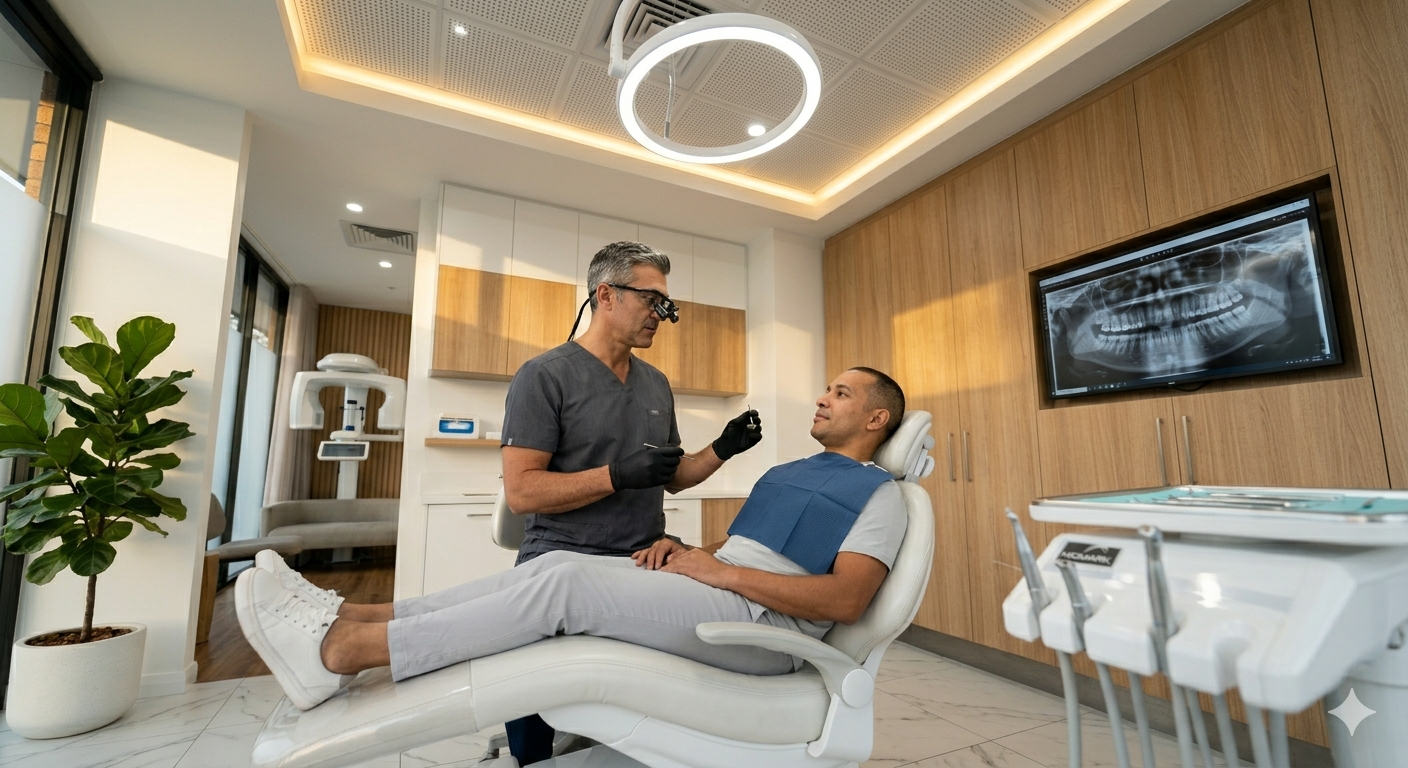
Dental implants are a modern solution for replacing missing teeth that mimic natural tooth function and appearance. They involve a few key components and offer various types to best fit individual needs. Understanding how they work and their benefits helps patients make informed choices.
How Dental Implants Work
Dental implants are small titanium posts surgically placed into the jawbone, acting as artificial tooth roots. After placement, the implant integrates with the bone through a process called osseointegration, creating a stable foundation. Once healed, a customized crown, bridge, or denture is attached to restore function and aesthetics.
Because implants fuse directly with the bone, they prevent the bone loss that often happens with missing teeth. This stability allows patients to chew, speak, and smile confidently without the slipping or discomfort that traditional dentures can cause.
Benefits of Dental Implants
Dental implants offer several advantages over other tooth replacement options. They provide a natural look and feel, allowing patients to eat a wider range of foods without worry. Implants also preserve jawbone health by stimulating the bone, preventing the sunken appearance often seen after tooth loss.
Unlike bridges, implants don’t rely on neighboring teeth for support, so healthy teeth remain untouched. They also tend to last longer than other options with proper care, reducing the need for frequent replacements or adjustments.
Types of Dental Implants
There are three common types of dental implants used in Oskaloosa, IA:
- Endosteal Implants: The most common type, inserted directly into the jawbone.
- Subperiosteal Implants: Placed under the gum but above the bone, used when jawbone height is insufficient.
- Zygomatic Implants: Longer implants anchored in the cheekbone, for cases with significant upper jawbone loss.
Each type is chosen based on bone health, location of missing teeth, and patient needs. Dentists will recommend the best option after a thorough evaluation.
Why Choose Dental Implants in Oskaloosa, IA?
Dental implants in Oskaloosa offer a blend of personalized attention, up-to-date technology, and positive feedback from local residents. These factors work together to create a trustworthy and effective solution for tooth replacement.
Personalized Care from Local Experts
Dentists in Oskaloosa provide tailored treatment plans based on each patient’s unique oral health needs. They take time to understand concerns, medical history, and lifestyle before recommending implants. This personalized approach enhances comfort and improves long-term outcomes.
Local experts also focus on patient education throughout the process. They explain each step clearly, helping patients feel secure from consultation to recovery. This local connection often leads to stronger patient-provider relationships, ensuring follow-up care and support are easily accessible.
Advanced Technology and Techniques
Dental offices in Oskaloosa use the latest technology to make implant procedures smoother and more precise. Tools like 3D imaging and computer-guided surgery enable accurate placement of implants, reducing discomfort and healing time.
They incorporate modern materials that mimic natural teeth in both function and appearance. Minimally invasive techniques are common, which helps maintain healthy gums and bone structure. This use of advanced methods increases success rates and provides patients with more confidence in their smiles.
Community Testimonials
People in Oskaloosa frequently share positive experiences after getting dental implants locally. Many mention improved chewing, clearer speech, and boosted self-esteem as key benefits. Word-of-mouth referrals highlight the trust built between patients and their dentists.
These testimonials often note the caring attitude of the dental team and the thorough explanations given before and after the procedure. Patients appreciate the accessible office locations tied to the community, making follow-up visits convenient. Knowing others in town have had good results can make new patients feel more comfortable choosing implants.
The Dental Implant Process
Getting dental implants in Oskaloosa, IA, involves clear steps designed for comfort and successful results. Each phase ensures that the implant fits securely and supports a natural-looking tooth replacement. Understanding the timeline and what to expect helps ease any concerns.
Initial Consultation and Evaluation
The process begins with a detailed consultation. The dentist examines the mouth, takes X-rays, and often uses 3D imaging to assess bone density and structure. This step determines if the jawbone can support an implant or if bone grafting is needed first.
During the visit, the patient’s medical history and oral health are reviewed carefully. Any underlying issues like gum disease must be treated before moving on. The dentist will discuss different implant options and develop a personalized treatment plan tailored to the patient’s needs.
Implant Placement Procedure
The implant placement usually takes about one to two hours. After numbing the area with local anesthesia, the dentist makes a small incision in the gum to expose the jawbone. A titanium post is then inserted carefully into the bone where the tooth root once was.
This post acts as the foundation for the new tooth. The gums are closed with stitches, and sometimes a temporary crown is placed to aid in healing and appearance. Most patients experience mild discomfort that can be managed with over-the-counter pain medication.
Healing and Recovery Timeline
Healing after implant surgery typically takes three to six months. During this time, a process called osseointegration occurs, where the bone fuses tightly to the implant, ensuring stability. It’s important to follow all care instructions, including avoiding hard foods and maintaining good oral hygiene.
Regular check-ups allow the dentist to monitor healing progress. Once fully healed, an abutment is attached to the implant to hold the final crown. After a few more weeks, the permanent crown is placed, restoring full function and smile aesthetics.
Who Is a Good Candidate for Dental Implants?
Finding the right fit for dental implants involves looking closely at both oral health and lifestyle factors. Many people wonder if their age, medical background, or common worries might affect their chances of a successful implant.
Assessing Oral and Overall Health
Good candidates usually have healthy gums and enough jawbone to support the implant. If gum disease or bone loss is present, these issues often need treatment first. Dentists may recommend bone grafts or periodontal therapy to improve the chances of implant success.
Overall health matters, too. Conditions like uncontrolled diabetes or immune disorders can interfere with healing, so managing these is important. Smoking can also reduce implant success rates. A thorough medical and dental exam helps identify any risks before moving forward.
Age Considerations
Age alone rarely disqualifies someone from getting dental implants. Many patients in their 60s, 70s, or older receive implants successfully. The key is whether their jawbone has fully developed and maintained strength.
Younger candidates should have fully matured jawbones, usually by their late teens or early twenties. Implants are less common in children because their jaws are still growing. Dentists may recommend alternative options for younger patients until growth completes.
Addressing Common Concerns
Many people worry about pain or the implant procedure itself. Modern techniques use local anesthesia and sedation options to keep patients comfortable during every step. Recovery typically involves mild soreness that fades quickly.
Others ask about the longevity of implants. With good care, implants can last decades, making them a durable solution. Regular dental visits and good oral hygiene are essential to protect the investment and overall oral health.
Patients should feel encouraged to ask questions and share concerns upfront. A tailored treatment plan can ease fears and ensure the best possible experience.
Caring for Your Dental Implants
Maintaining dental implants requires consistent effort in daily habits and professional care. Paying attention to cleaning methods, routine checkups, and periodic maintenance helps protect your investment and overall oral health.
Daily Oral Hygiene Tips
Brushing twice a day with a soft-bristle toothbrush is essential to remove plaque around dental implants. Using a non-abrasive toothpaste prevents damage to the implant surface and gums.
Flossing once a day with implant-friendly floss or interdental brushes cleans areas a toothbrush can’t reach. Patients should avoid hard or sticky foods that could stress the implant or surrounding teeth.
Rinsing with an antimicrobial mouthwash reduces bacteria and helps keep the gums healthy. Consistency in these habits supports the longevity and comfort of the implant.
Regular Dental Visits
Professional cleanings and exams every six months ensure implants stay free from plaque buildup and gum disease. A dental hygienist uses special tools to clean areas around the implant without causing harm.
During checkups, your dentist assesses the implant’s stability and the condition of surrounding tissues. X-rays may be taken to monitor bone levels, which are crucial for implant success.
If any signs of inflammation or loosening appear, early treatment can prevent complications. Keeping scheduled appointments is a key step in long-term implant care.
Long-Term Maintenance
Avoid habits that put undue pressure on implants, like grinding teeth or chewing ice. Wearing a nightguard can protect implants if grinding is a concern.
Maintaining good overall health impacts implant durability, so managing conditions like diabetes is important. Smoking cessation also improves healing and reduces risk of implant failure.
If issues arise, timely communication with the dental office ensures quick adjustments or treatments. Staying proactive about implant care helps preserve function and a healthy smile for years to come.
Comparing Dental Implants to Other Tooth Replacement Options
Tooth replacement choices vary in comfort, durability, and maintenance. Understanding how dental implants measure up against bridges and dentures can help patients make informed decisions about their smiles and oral health.
Dental Bridges vs. Implants
Dental bridges rely on adjacent teeth for support, requiring the healthy teeth to be filed down to anchor the bridge. This process may weaken those teeth over time and doesn’t replace the tooth root, which affects jawbone health.
Implants, by contrast, are titanium posts embedded in the jawbone that act like natural roots. This supports bone preservation and provides a stable, long-lasting foundation. While bridges may have a quicker placement and lower upfront cost, implants generally offer better durability and fewer long-term complications.
Patients who want a permanent solution with minimal impact on neighboring teeth often prefer implants for their natural feel and function.
Dentures vs. Implants
Dentures are removable replacements that can restore appearance but may slip or cause discomfort, especially when eating or speaking. They require adhesive and regular adjustments, which can be inconvenient.
Implants stabilize dentures or replace individual teeth with a fixed solution. Implant-supported dentures snap securely in place, improving chewing efficiency and confidence. Though dentures usually cost less initially, implants tend to be more cost-effective over time due to their longevity.
For those concerned about slipping dentures or diet restrictions, implants offer a more secure, natural-feeling option that supports oral health and comfort.
Cost of Dental Implants in Oskaloosa, IA
Dental implant prices in Oskaloosa can vary depending on several specific factors, including the complexity of the procedure and the materials used. Understanding what influences these costs and the available payment options helps patients plan their treatment confidently.
Factors That Influence Price
The overall cost of a dental implant often includes the implant post, abutment, and crown. In Oskaloosa, the price typically ranges from $3,000 to $5,500 per implant, but this depends on individual needs.
Additional factors that affect cost include:
- Bone grafting or sinus lifts: Needed if there isn’t enough jawbone to support the implant.
- Number of implants: Multiple implants cost more but can be bundled for discounts.
- Type of materials: Zirconia crowns may cost more than traditional porcelain ones.
- Dentist’s expertise and technology: Advanced imaging and guided surgery can increase fees.
Patients with complex dental issues might also face higher prices due to preparatory treatments like extractions or antibiotics.
Insurance and Financing Options
Many dental insurance plans offer limited coverage for implants since they are often considered elective. However, some plans may cover parts of the procedure, such as the crown or extractions.
It’s advisable to check with your insurance provider early. Local dental offices in Oskaloosa often partner with financing companies such as CareCredit, offering monthly payment plans with low or no interest.
Patients can also ask about in-office financing or discounts for paying upfront. These options make dental implants more accessible, allowing patients to receive quality care without financial stress.
Common Myths About Dental Implants
Many people worry that dental implants are painful or complicated. In reality, most patients report only mild discomfort, similar to a tooth extraction. Modern techniques and local anesthesia make the process much easier than some expect.
Some assume dental implants are only for older adults. This is not true. People of various ages who have healthy gums and enough bone can be good candidates. Implants are a durable solution for anyone missing teeth.
Another myth is that dental implants require special care beyond regular brushing and flossing. Actually, implants need the same daily hygiene as natural teeth. Regular dental checkups help keep them healthy and lasting longer.
There is also a belief that implants look fake or unnatural. Skilled dentists design implants to blend seamlessly with your smile. Materials used mimic the appearance of real teeth closely.
| Myth | Fact |
|---|---|
| Implants are painful | Discomfort is usually mild and manageable |
| Only for older adults | Suitable for adults of many ages |
| Require special cleaning | Regular oral hygiene and dental visits suffice |
| Look fake | Designed to look natural and match other teeth |
If any of these myths make you hesitant, a consultation can clarify what to expect. A local dental expert is ready to answer your questions and guide you toward the best care.
Next Steps: Scheduling Your Dental Implant Consultation
Taking the first step toward dental implants in Oskaloosa, IA starts with a simple consultation. During this visit, the dentist will review your oral health, discuss your goals, and explain the procedure in easy-to-understand terms.
Patients can prepare by gathering any recent dental records or X-rays. This helps the dental team tailor the treatment plan to individual needs and ensures a smoother process.
Expect to discuss medical history, lifestyle habits, and any concerns. The dentist will also determine if additional treatments, like bone grafts, are necessary before implant placement.
To schedule, contact the dental office by phone, email, or through their website. Many offices offer flexible appointment times to fit busy schedules.
What to Bring:
| Item | Reason |
|---|---|
| Dental records and X-rays | For accurate assessment |
| List of medications | To check for any treatment risks |
| Questions or concerns | To get clear answers and guidance |
This consultation is a chance to feel confident and informed about the process. Patients are encouraged to ask anything, no matter how small it seems. The dental team is there to support every step of the way.
Frequently Asked Questions
Many people considering dental implants wonder about their eligibility, the steps involved, costs, insurance coverage, and what to expect during and after the procedure. Knowing how to choose a skilled local dentist is also important for a successful outcome.
Am I a good candidate for dental implants if I’ve had missing teeth for a long time?
Having missing teeth for years doesn’t automatically disqualify someone from getting implants. Good candidates typically have healthy gums and enough bone to support the implant, but bone grafting can help if needed.
A thorough evaluation by a dentist will determine if implants are suitable and whether additional treatments are necessary to prepare the mouth.
What does the dental implant process typically look like from consultation to final crown?
The process starts with a consultation and imaging to assess oral health. Next, the implant post is surgically placed into the jawbone.
After a healing period of a few months to allow bone integration, an abutment and a custom crown are attached. Follow-up visits ensure proper fit and function.
How much do dental implants usually cost, and what factors can change the price?
Costs typically range from $3,000 to $5,000 per implant, including the post, abutment, and crown. Prices vary based on bone grafting needs, implant type, and location.
Additional procedures or more complex cases can increase the price. It’s best to get a detailed estimate from your dentist.
Will my dental insurance, Medicare, or financing options help cover dental implant treatment?
Most dental insurance plans offer limited coverage for implants, often favoring simpler tooth replacement options. Medicare generally does not cover dental implants.
Many dental offices provide financing plans or work with third-party lenders to help make treatment more affordable.
Are dental implants painful, and what can I expect for comfort and healing after surgery?
Dental implant surgery is done under local anesthesia, so patients usually experience little pain during the procedure. Some soreness or swelling is normal afterward.
Pain can be managed with over-the-counter medication, and most people heal within a few weeks without complications. Your dentist will provide clear aftercare instructions.
How do I choose the right local implant dentist, and what should I look for in reviews and experience?
Look for a dentist with specialized training and proven experience in implant dentistry. Positive patient reviews often mention comfort, clear communication, and successful outcomes.
Visiting the office for a consultation and asking about their technology and approach can help you feel confident in your choice.