

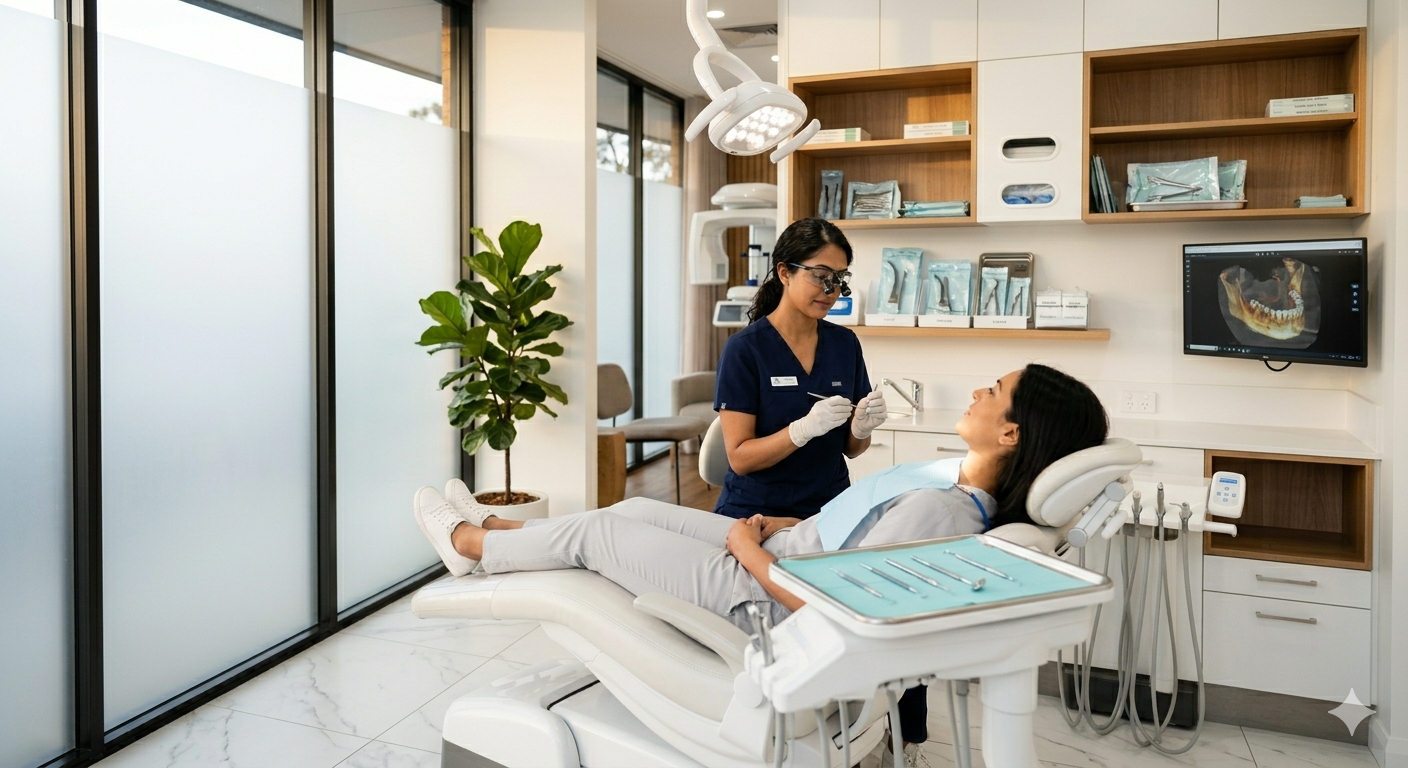
Porcelain veneers offer a simple and effective way for people in Oskaloosa, IA, to achieve a brighter, more even smile. They can cover up common dental issues like discoloration, chips, or gaps without extensive procedures. The main benefit is that veneers provide a natural look while strengthening teeth and improving confidence.
Many patients appreciate how minimally invasive the process is, usually requiring just a couple of visits. Plus, veneers are durable and stain-resistant, making them a practical choice for lasting results. Dental professionals in Oskaloosa focus on comfort and personalized care, ensuring patients feel at ease throughout treatment.
For anyone considering a smile upgrade, porcelain veneers can be a smooth path to noticeable and satisfying improvements. Talking to a trusted local dentist can help answer questions and create a tailored plan that fits individual needs and goals.
Understanding Porcelain Veneers
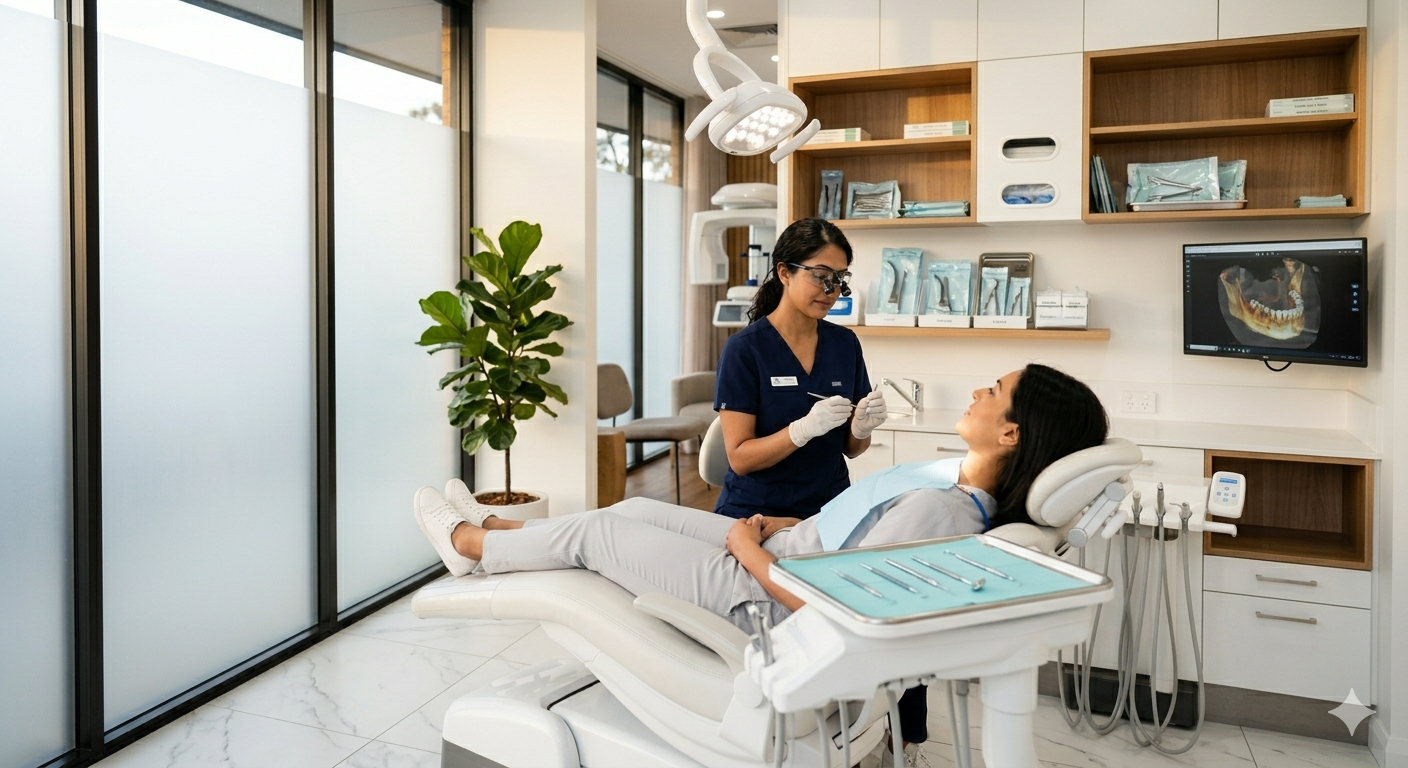
Porcelain veneers improve a smile by covering imperfections with thin, custom-made shells. They blend natural appearance with durability, providing a lasting solution for various dental concerns. The process of applying veneers involves careful preparation, precision materials, and skilled craftsmanship.
What Are Porcelain Veneers?
Porcelain veneers are thin porcelain shells designed to fit over the front of teeth. They effectively conceal issues like chips, gaps, discoloration, and minor misalignments. Unlike crowns, they require only minimal removal of tooth enamel, preserving more of the natural tooth.
These veneers mimic the light-reflecting properties of natural teeth, making them look realistic. In addition, they resist stains better than natural enamel, maintaining a bright smile over time. Patients often choose veneers for an aesthetic boost that feels natural and comfortable.
How Porcelain Veneers Are Applied
Applying veneers typically involves two dental visits. During the first visit, the dentist prepares the teeth by gently removing a small amount of enamel—about 0.5 millimeters—to make room. Then, impressions are taken and sent to a dental lab.
At the lab, technicians create the custom veneers based on these impressions. Once ready, the dentist bonds them to the teeth using a strong dental adhesive. The final step includes adjustments to ensure perfect fit and appearance, providing a smooth, natural finish.
Materials and Craftsmanship Involved
Quality porcelain is essential for durable and attractive veneers. Dental labs use high-grade ceramic materials known for strength and translucency. Skilled artisans handcraft each veneer to match the patient’s tooth color, shape, and size precisely.
This detailed work requires experience and attention to detail. The result is a veneer that blends seamlessly with neighboring teeth. The craftsmanship also ensures that veneers can withstand daily wear and tear, lasting many years with proper care.
Aesthetic Improvements You Can Expect
Porcelain veneers transform smiles by addressing several common cosmetic dental issues with precision. They target discoloration, minor damage, and shape irregularities to create a natural and appealing appearance. Each improvement enhances confidence and the overall look of teeth in specific ways.
Correcting Tooth Discoloration
Porcelain veneers effectively mask severe tooth discoloration that teeth whitening treatments can’t fix. Stains caused by medications, excessive coffee, or aging can leave teeth dull or unevenly colored. Veneers cover these flaws with a smooth, bright surface.
Since veneers are custom-made, their color matches natural teeth or can be brightened beyond your original shade for a whiter smile. They resist stains better than natural enamel too, helping maintain a fresh appearance over time without special whitening products.
This makes veneers an appealing option for those who want a consistent, long-lasting solution to unwanted tooth discoloration without changing their daily habits.
Fixing Minor Chips and Cracks
Small chips or cracks in teeth can be embarrassing and affect oral health. Porcelain veneers cover these imperfections seamlessly, restoring the tooth’s surface and preventing further damage.
Applying veneers involves minimal tooth preparation, preserving most of the natural enamel while providing protection from daily wear. The durable material withstands biting forces, ensuring chips and cracks don’t worsen.
Patients notice an immediate cosmetic boost as the veneers smooth out rough edges and restore tooth shape. This treatment avoids the bulkiness sometimes felt with other restorations like crowns, maintaining a comfortable and natural feel.
Reshaping Irregular Teeth
Uneven, small, or slightly misaligned teeth can disrupt the harmony of a smile. Porcelain veneers reshape these teeth by adjusting length, width, and contour to create balance and symmetry.
Because veneers are thin shells bonded to the front of teeth, they enhance appearance without extensive orthodontic treatment. They can close minor gaps, even out spacing, and correct subtle misalignments in as few as two dental visits.
This method is particularly attractive for those wanting fast aesthetic fixes. It allows customization of tooth shape tailored to each person’s smile goals, resulting in a well-proportioned and natural look.
Long-Term Benefits for Oral Health
Porcelain veneers do more than enhance smiles; they provide lasting support to oral health by resisting stains and reinforcing tooth strength. These benefits help maintain a natural look while promoting dental well-being over time.
Stain Resistance and Easy Maintenance
Porcelain veneers are highly resistant to stains from coffee, tea, wine, and tobacco. Unlike natural enamel, their non-porous surface prevents discoloration, keeping smiles brighter longer.
This resistance means patients spend less time worrying about stains and more enjoying daily life. Maintaining veneers requires routine brushing, flossing, and regular dental checkups, just like natural teeth.
Veneers also reduce plaque buildup due to their smooth texture, which can lower the risk of gum irritation. Patients are encouraged to continue good oral hygiene habits to protect both veneers and underlying teeth.
Strengthening Tooth Structure
Applying porcelain veneers can strengthen a tooth’s structure by adding a protective layer. This is especially beneficial for teeth with minor chips, cracks, or enamel thinning.
By covering weak areas, veneers distribute biting forces more evenly, reducing stress on the natural tooth underneath. This helps prevent further damage and enhances durability.
In some cases, veneers require only minimal enamel removal compared to crowns, preserving more of the natural tooth. This conservative approach supports long-term tooth vitality while improving appearance.
Comparing Porcelain Veneers to Other Treatments
Porcelain veneers provide a durable, natural-looking option for improving smiles, but people often weigh them against other popular treatments. Understanding the strengths and limitations of each helps patients make informed decisions about what suits their needs best.
Veneers vs. Dental Bonding
Porcelain veneers are thin shells bonded to the front of teeth, offering a long-lasting solution for chips, gaps, and discoloration. They resist stains well and generally last 10-15 years with proper care. Bonding uses tooth-colored resin applied directly to teeth and sculpted to shape.
While bonding is quicker and less expensive, it’s less durable and prone to staining. It typically lasts 3-5 years before needing repairs or replacement. Veneers require some enamel removal, but bonding preserves more natural tooth structure.
For patients seeking a more resilient and natural look, veneers often outperform bonding. However, bonding suits those needing a fast, affordable fix or minor cosmetic improvements.
Veneers vs. Teeth Whitening
Teeth whitening is a non-invasive way to brighten natural teeth by several shades but doesn’t change the shape or structure. It works best on surface stains like those from coffee, tea, or tobacco.
Veneers cover both color and shape issues, ideal for teeth that are permanently discolored, chipped, or uneven. Whitening results vary and may need repeated treatments, while veneers offer a one-time, lasting change.
On a budget or with mostly healthy teeth, whitening is a good first step. When color alone isn’t the concern, or results need to be guaranteed, veneers deliver a more comprehensive makeover.
Who Is an Ideal Candidate?
Determining the right candidate for porcelain veneers involves understanding specific dental concerns and overall health factors. The ideal person typically seeks to improve the appearance of their teeth while maintaining good oral health. This balance ensures lasting results and patient satisfaction.
Common Dental Concerns Addressed
Most candidates consider porcelain veneers to correct issues such as chipped, cracked, or stained teeth. Veneers are especially helpful for teeth that are mildly misaligned or unevenly spaced without requiring braces. People bothered by discoloration that doesn’t respond to whitening treatments also benefit.
Veneers can cover minor surface damage and restore a natural-looking smile. However, severe decay or significant tooth wear may require other treatments first. Good candidates should have healthy gums and enough enamel for the veneer to adhere properly.
Considerations for Overall Health
Good oral hygiene is crucial before getting veneers. Candidates should be free from gum disease and cavities to avoid complications during or after the procedure. Chronic conditions like diabetes must be controlled to promote proper healing.
It is also important that candidates do not have habits such as teeth grinding or nail-biting, which can damage veneers. Dentists may recommend custom night guards for those who grind their teeth to protect the investment. A dental consultation will assess these factors to ensure veneers are a suitable choice.
Your Experience at a Local Oskaloosa Practice
Visiting a dental office in Oskaloosa for porcelain veneers means a patient-focused approach with clear steps from the beginning. The process emphasizes understanding each patient’s goals and creating customized plans that fit their smiles and lifestyles.
What to Expect During Consultation
During the initial consultation, the dentist takes time to review the patient’s dental history and current oral health. They use digital images and x-rays to assess tooth structure and identify any concerns that might affect veneers.
The dentist listens carefully to what the patient wants to improve, like correcting gaps, discoloration, or chipped teeth. This conversation helps set realistic expectations. Patients can expect a relaxed atmosphere where their questions are welcomed.
The office staff may also discuss financing options and appointment timing. The visit typically lasts about 45 minutes to an hour, focusing on thorough examination and clear communication.
Personalized Treatment Planning
After the consultation, the dentist creates a treatment plan tailored to the patient’s smile goals and oral health needs. This plan outlines the number of veneers needed, the shade choice, and any preliminary treatments such as whitening or minor repairs.
Precise measurements and impressions are taken. These help the dental lab craft veneers that fit perfectly and look natural. Patients may see digital previews of their new smile to provide input before any work begins.
Scheduling is coordinated to manage appointments efficiently, often covering preparation and final placement in separate visits. The practice prioritizes patient comfort with options like sedation or local anesthesia during procedures.
Caring for Your New Smile
Maintaining porcelain veneers requires attention to daily cleaning habits and avoiding certain behaviors that can damage the veneers over time. Consistency in care helps preserve their appearance and function.
Daily Oral Hygiene Tips
Brushing twice a day with a soft-bristled toothbrush is essential to keep veneers and natural teeth clean without causing damage. Using a non-abrasive fluoride toothpaste prevents scratches on the porcelain surface.
Flossing once daily removes plaque between teeth and around veneers where a toothbrush cannot reach. Rinsing with an antibacterial mouthwash can reduce bacteria and maintain gum health.
Regular dental check-ups every six months allow the dentist to monitor veneers and address any early signs of wear or staining. Keeping up with professional cleanings ensures veneers stay bright and healthy.
Habits to Avoid for Lasting Results
Biting on hard items like ice, pens, or fingernails can chip or crack porcelain veneers. It’s important to avoid these habits to protect their integrity.
Staining foods and drinks such as coffee, tea, and red wine can dull veneers over time. While porcelain resists stains better than natural teeth, reducing intake or rinsing after consumption helps maintain the smile’s brightness.
Grinding or clenching teeth, especially during sleep, puts stress on veneers. Wearing a custom nightguard prevents damage and extends the life of the veneers.
Why Invest in Your Smile
A healthy, attractive smile can boost confidence in both social and professional settings. Porcelain veneers help enhance the appearance of teeth, making people feel more comfortable when they smile or speak.
Investing in your smile is also about long-term oral health. Veneers protect the surface of damaged teeth, reducing the risk of further wear or decay. This can save time and money on more extensive dental work later.
Here are some benefits people in Oskaloosa, IA, appreciate about porcelain veneers:
- Natural look: Veneers blend with existing teeth for a seamless appearance.
- Durability: Porcelain is strong and resistant to stains compared to natural enamel.
- Quick results: Transform smiles in just a few dental visits.
- Low maintenance: Simple care routines like brushing and flossing keep them looking good.
Most patients find the process comfortable, with modern dentistry focusing on minimizing discomfort. A friendly dental team will guide them through every step, answering questions and making adjustments as needed.
Investing in a smile is about more than cosmetics; it impacts how people feel daily. Those considering porcelain veneers in Oskaloosa are encouraged to schedule a consultation to explore options tailored to their unique needs.
Frequently Asked Questions
Porcelain veneers can address several common dental concerns like chips, gaps, and stains. Understanding the longevity, appearance, and procedure involved helps patients make informed choices.
Are porcelain veneers a good option for fixing chips, gaps, or stubborn stains in my smile?
Yes, veneers are effective for covering small chips, closing gaps, and masking stains that don’t respond to whitening. They offer a durable, stain-resistant surface to improve overall smile aesthetics.
Why do some dentists advise against veneers, and how do I know if they’re right for me?
Some dentists may be cautious due to the irreversible nature of tooth preparation or if the patient’s oral health needs more basic care first. A thorough evaluation helps determine if veneers are safe and appropriate.
How long do porcelain veneers typically last, and what can I expect after 10 to 20 years?
Veneers usually last 10 to 15 years with good care. Over time, they may need replacement due to wear or changes in the underlying tooth; regular dental check-ups can catch issues early.
What do I wish I knew before getting veneers, especially about tooth prep and sensitivity?
Tooth preparation involves removing a thin layer of enamel, which can cause temporary sensitivity. Being prepared for this helps manage expectations and post-treatment care.
Do veneers look natural, and how does a dentist match them to my tooth color and face?
Modern veneers are custom-crafted to blend with your natural teeth and facial features. Dentists use shade guides and digital imaging to achieve a natural look.
What does the veneer process feel like, and what comfort options are available if I’m nervous?
The process is usually comfortable with local anesthesia during preparation. For anxious patients, sedation options are available to ensure a relaxed experience.