

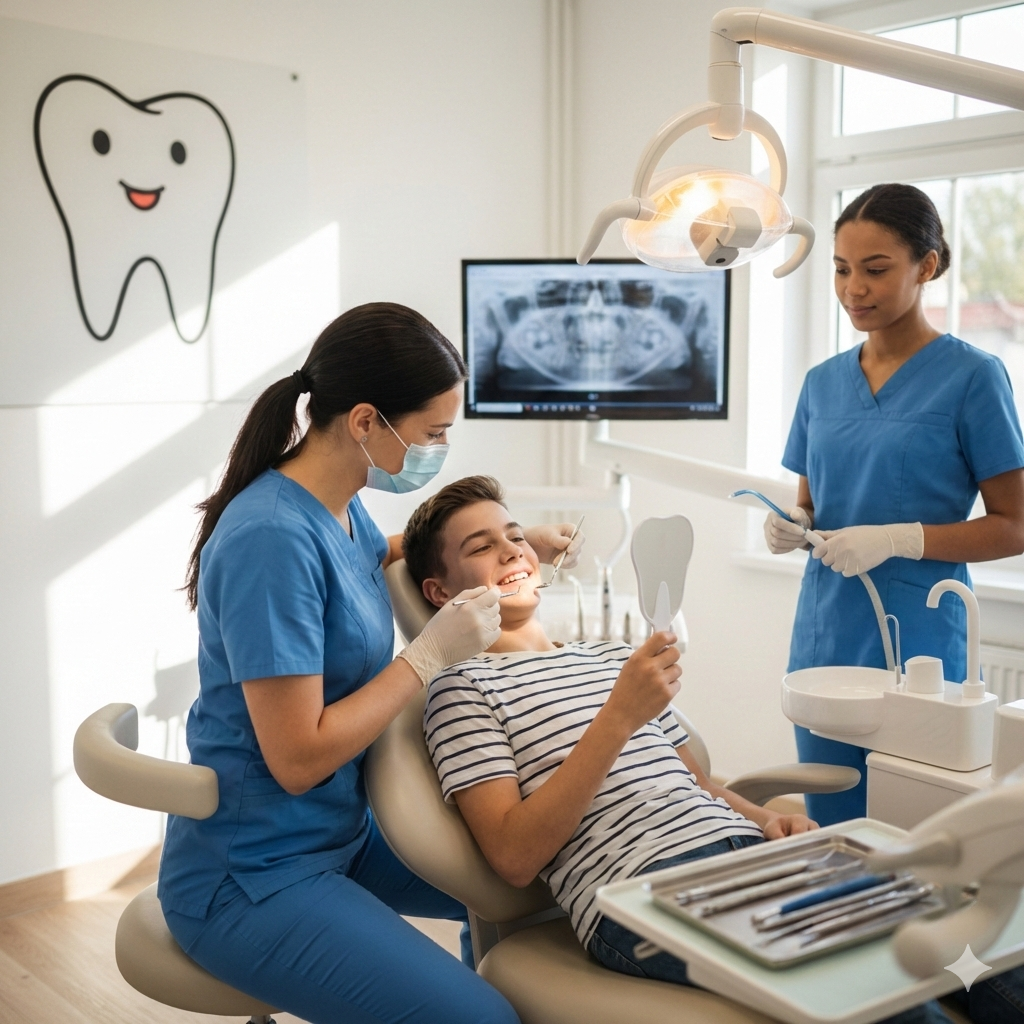
When a dental emergency strikes in Oskaloosa, IA, knowing where to turn can make all the difference. Emergency dental services in Oskaloosa are designed to provide prompt care for pain, injury, or sudden dental issues that can’t wait. These services help patients avoid further complications and get back to feeling comfortable quickly.
Local dental offices understand that emergencies come at any time, which is why many offer flexible hours and same-day appointments. Whether it’s a knocked-out tooth, severe toothache, or broken crown, these experts are ready to offer gentle treatment with modern techniques.
By seeking emergency dental care promptly, patients protect their long-term oral health and reduce the chance of more complex problems. It’s always a good idea to keep contact information handy and know what to expect when urgent dental help is needed in Oskaloosa.
What Are Emergency Dental Services?
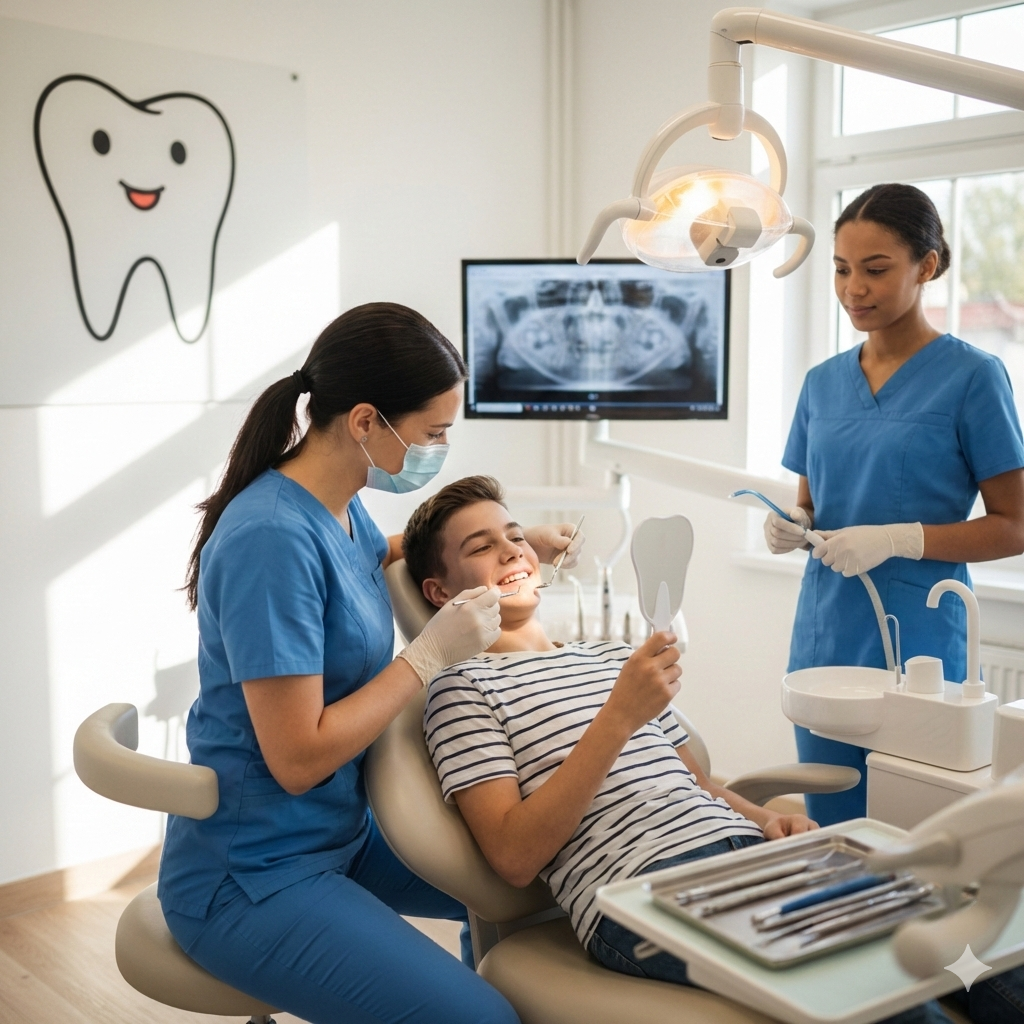
Emergency dental services address sudden, painful, or potentially serious dental problems that require immediate care. They focus on relieving pain, preventing infection, and preserving teeth or oral structures whenever possible.
Common Dental Emergencies
Dental emergencies often involve severe tooth pain, a knocked-out tooth, broken or chipped teeth, and infections like abscesses. For example, a tooth that is knocked out needs prompt attention within an hour to improve chances of saving it. Severe toothaches sometimes signal underlying infections or cavities reaching the nerve.
Other emergencies include lost fillings or crowns that expose sensitive areas and injuries causing swelling or bleeding of the gums. Each situation requires a tailored approach to control pain, stop bleeding, or reduce the risk of further damage.
Why Fast Treatment Matters
Quick care can prevent worsening conditions and avoid complicated treatments later. In cases like knocked-out teeth, immediate action increases the likelihood the tooth can be replanted successfully. Prompt treatment of infections helps avoid spread to other parts of the body.
Delays often mean increased pain, greater risk of tooth loss, and longer recovery times. Emergency services provide relief and stabilize the condition so that follow-up care can be planned effectively without added discomfort or risk.
Recognizing Urgent Dental Issues
Not all dental pain signals an emergency, but certain signs demand quick dental attention. These include intense, unrelenting tooth pain; severe swelling inside or outside the mouth; bleeding that won’t stop; or a tooth that is visibly loose or displaced.
Other urgent signs are fever accompanying oral pain, difficulties breathing or swallowing, or trauma from an accident affecting the jaw or teeth. Identifying these symptoms quickly helps patients seek care that can prevent permanent damage or serious complications.
When To Seek Emergency Dental Care In Oskaloosa, IA
Dental emergencies can be confusing, but knowing the exact signs and how to decide between emergency and routine care helps patients act quickly and correctly. Timely treatment can prevent complications and ease pain effectively.
Signs You Need Immediate Help
If someone in Oskaloosa experiences severe tooth pain lasting longer than an hour, that’s a clear sign to seek emergency care. Sudden swelling in the face or gums could signal infection and should be addressed promptly.
Other urgent symptoms include a loose or knocked-out tooth from injury, heavy uncontrolled bleeding in the mouth, or a cracked or broken tooth causing sharp pain. Fever with oral discomfort also suggests bacteria might be spreading, requiring fast attention.
If any injury results in difficulty breathing or swallowing, emergency services should be contacted immediately. These situations demand prompt professional care to prevent lasting damage or worsening conditions.
Deciding Between Emergency And Routine Visits
Not every dental problem needs an emergency room visit. For example, mild discomfort, minor chips, or slight bleeding after brushing usually warrant a scheduled appointment rather than urgent care.
If pain is manageable with over-the-counter medication and symptoms do not escalate, waiting for a routine visit can be appropriate. Routine exams help prevent emergencies but aren’t substitutes in severe cases.
In Oskaloosa, dentists recommend calling the office first to describe symptoms. Staff can evaluate whether emergency treatment is necessary or if a regular visit suits the situation. This guidance helps avoid unnecessary stress and ensures timely, proper care.
How Emergency Dental Services Work
Emergency dental care in Oskaloosa, IA, focuses on quickly identifying the problem and relieving pain while preventing further damage. Patients can expect efficient communication and targeted treatment plans that prioritize comfort and fast recovery.
What To Expect During Your Visit
When a patient arrives with a dental emergency, the staff first gathers essential information about symptoms and medical history. The dentist then performs a quick but thorough exam, often including X-rays, to pinpoint the cause of pain or injury.
Treatment begins immediately after diagnosis. Depending on the issue, this might include repairing a chipped tooth, extracting a severely damaged tooth, or addressing infections with antibiotics. The team explains each step clearly, so patients understand the process and options.
Scheduling follow-up appointments is part of the visit. This ensures ongoing care and monitors recovery, avoiding future complications. Patients are guided on home care and warning signs to watch for after treatment.
Comfort Measures And Pain Relief
Pain management is a top priority during emergency dental visits. Dentists often use local anesthetics to numb the area before starting work, ensuring patients feel minimal discomfort.
For severe pain or anxiety, sedation options like nitrous oxide or oral medications may be available. These help patients relax while receiving treatment, making the experience less stressful.
Post-treatment, over-the-counter pain relievers are commonly recommended. The dental team also provides tailored advice on managing swelling and discomfort at home, such as using cold compresses and maintaining proper oral hygiene.
Modern Treatment Options For Dental Emergencies
Emergency dental care in Oskaloosa focuses on fast, effective relief while preserving natural teeth whenever possible. Treatments use advanced materials and technologies designed for durability and comfort. Each approach addresses specific issues like broken teeth or intense pain with targeted solutions.
Repairing Broken Or Chipped Teeth
When a tooth breaks or chips, the dentist assesses the damage to determine the best repair method. Small chips often get smoothed out or restored with tooth-colored bonding resin, which is strong and blends well with your natural tooth.
For larger breaks, crowns may be used to cover and protect the tooth. These crowns are made from durable materials like porcelain or ceramic that withstand daily use and look natural.
In severe cases where the tooth’s nerve is exposed, a root canal might be necessary before placing a crown to prevent infection and save the tooth.
Solutions For Severe Toothaches
Severe toothaches usually indicate underlying issues such as infection, decay, or injury. Dentists start by identifying the cause through X-rays and thorough examination.
For infections, antibiotic treatment combined with draining abscesses can relieve pain and stop spread. If the tooth is decayed or damaged, a filling, root canal, or extraction may be recommended depending on the severity.
Pain relief options include local anesthesia during treatment and professional advice on over-the-counter medications. Addressing severe toothaches promptly prevents complications and starts healing quickly.
How To Handle A Dental Emergency Before You Reach The Dentist
Knowing what to do immediately after a dental injury can make a big difference in treatment success. Quick, calm actions can protect the tooth and reduce pain or complications. Keeping things clean and controlled is key while waiting for professional care.
Immediate Steps For Knocked-Out Teeth
If a tooth is knocked out, time is critical. Gently pick up the tooth by the crown, avoiding the root to prevent damage. Rinse the tooth with clean water if it’s dirty, but do not scrub or use soap.
Try to place the tooth back into its socket right away. If that’s not possible, keep it moist by storing it in milk or a tooth preservation kit. Avoid storing the tooth in plain water. Bring the tooth and head to the dentist within 30 minutes to improve chances of reimplantation.
Avoid touching the root and handle the tooth carefully to increase the chance it can be saved.
Managing Bleeding Or Swelling At Home
If bleeding occurs, have the person bite gently on a clean piece of gauze or cloth for 10-15 minutes to help stop it. If bleeding continues, replace the gauze and apply steady pressure. Avoid spitting or rinsing aggressively, as this can worsen bleeding.
For swelling, apply a cold compress or ice pack wrapped in a cloth to the outside of the cheek for 10 to 15 minutes at a time. This reduces inflammation and numbs the area, helping with pain. Keep the head elevated to minimize swelling.
If pain is severe, over-the-counter pain relievers like ibuprofen can be used, but avoid aspirin as it may increase bleeding.
Choosing The Right Emergency Dentist In Oskaloosa, IA
Selecting an emergency dentist involves more than just location or availability. It’s about finding a provider who offers trustworthiness, skilled care, and clear communication when every minute counts.
Qualities Of A Trusted Dental Provider
A reliable emergency dentist in Oskaloosa should prioritize patient comfort and quick, effective treatment. They often have extended hours or 24/7 availability, ensuring help is there when unexpected dental issues arise.
Look for dentists with experience in treating common emergencies like toothaches, broken teeth, or abscesses. Board certification and positive patient reviews provide clues to their expertise and bedside manner.
Modern equipment and a clean, welcoming office space also help patients feel secure. Above all, a dentist who listens carefully and explains procedures simply can ease anxiety and build confidence during urgent visits.
Questions To Ask Your Dentist
When choosing an emergency dentist, asking specific questions can clarify their capabilities. Start by inquiring about their office hours and emergency response times. Are they reachable outside regular business hours?
It’s helpful to ask what kinds of emergencies they treat in-house versus those needing referrals. Knowing their pain management options and payment policies upfront avoids surprises.
Patients may also want to know if the dentist accepts their insurance or offers flexible payment plans. Clear answers to these questions ensure the dentist meets both medical and practical needs during stressful times.
Preventing Dental Emergencies
Taking steps to protect teeth every day and staying on top of dental visits are key to avoiding urgent care situations. Small changes in habits and regular professional help can reduce risks significantly.
Everyday Habits To Protect Your Smile
Simple daily habits make a big difference in preventing dental emergencies. Brushing twice daily with fluoride toothpaste removes plaque and strengthens enamel, lowering the chance of cavities and cracks. Flossing once a day helps clean tight spaces between teeth where food and bacteria hide.
Avoid chewing on hard objects like ice, pens, or popcorn kernels. These actions often cause chipped or broken teeth. Wearing a mouthguard during sports or physical activity also protects teeth from impact injuries.
Limiting sugary snacks and drinks reduces acid attacks on teeth that can lead to decay and painful infections. Drinking plenty of water keeps the mouth hydrated and washes away food particles.
Importance Of Regular Checkups
Routine dental checkups in Oskaloosa help catch small problems before they turn into emergencies. Dentists can spot areas of early decay, weaken enamel, or gum disease that might cause pain or tooth loss later on.
Professional cleanings remove hardened plaque (tartar) which brushing can’t eliminate. This keeps gums healthy and reduces the risk of infection or abscess.
During these visits, dental professionals advise on personalized care or treatment preferences, ensuring patients maintain strong teeth and avoid unexpected pain or urgent procedures. Scheduling exams every six months is recommended for most patients to maintain oral health and prevent emergencies.
What To Expect After Treatment
After emergency dental care, the focus shifts to recovery and preventing further issues. Patients should carefully follow specific care instructions and gradually return to their regular activities to support healing.
Follow-Up Care Tips
Patients often experience mild discomfort or swelling after treatment. Using over-the-counter pain relievers like ibuprofen can help manage this pain. Applying a cold compress to the affected area for 15-minute intervals reduces swelling.
Maintaining good oral hygiene is crucial. Brushing gently near the treated site and avoiding harsh rinses helps protect healing tissue. Drinking plenty of water aids tissue repair and keeps the mouth clean.
If the dentist prescribed antibiotics, it’s important to complete the full course to prevent infection. Patients should avoid smoking or consuming alcohol, as these can delay healing and increase irritation.
Returning To Your Normal Routine
Return to soft foods initially, like yogurt, mashed potatoes, or soups, to minimize pressure on the treated area. Gradually reintroduce harder foods as comfort allows, avoiding chewing on the treated side at first.
Physical activity should be limited for 24-48 hours, depending on the procedure. Strenuous exercise can increase blood flow and lead to bleeding or discomfort.
Regular appointments are vital to monitor recovery. If pain worsens, swelling increases, or unusual symptoms arise, contacting the dental office promptly is recommended. This ensures any complications are caught early and managed effectively.
Contacting Emergency Dental Services In Oskaloosa, IA
When a dental emergency happens in Oskaloosa, knowing who to call quickly can make all the difference. Many local dental offices offer after-hours or same-day appointments specifically for urgent situations.
He or she should start by locating a reliable clinic that lists emergency services clearly. Often, these offices have a dedicated phone number or an emergency contact line to handle urgent calls promptly.
It’s helpful to keep a small list of nearby emergency dentists and their phone numbers, just in case. Here’s a simple example:
| Clinic Name | Phone Number | Hours for Emergency Care |
|---|---|---|
| Oskaloosa Family Dental | (641) 673-3400 | Mon-Fri, 8 am – 5 pm; on call for emergencies |
| Iowa Emergency Dentistry | (800) 475-9407 | 24/7 Emergency Hotline |
| Keokuk County Dental | (641) 672-3709 | Weekdays 9 am – 6 pm; limited weekend hours |
If the injury is severe—like uncontrollable bleeding or loss of a tooth—going straight to the emergency room is the safest choice.
Otherwise, calling your dentist’s office first lets them prepare for your arrival and provide guidance on managing pain or swelling until you get there.
He or she should describe the problem clearly, including any swelling, bleeding, or pain level. This helps the dental team prioritize and treat you efficiently.
Patients in Oskaloosa can feel confident that local dentists care deeply about comfort and use modern techniques to ease emergencies. Prompt communication is key to quick relief.
Frequently Asked Questions
Emergency dental situations can be confusing, especially when they happen outside regular office hours. Knowing how to act swiftly and what to expect can make a big difference in managing pain and preventing further damage.
What should I do if I experience a sudden toothache at night?
If a toothache hits at night, rinsing the mouth with warm water can help. Avoid chewing on the sore side and use a cold compress on the cheek to reduce swelling.
Over-the-counter pain relievers may provide temporary relief until professional care is available.
How can I tell if my dental issue is an emergency that needs immediate attention?
Severe pain, swelling, bleeding, or a knocked-out tooth usually require urgent care. If there is difficulty breathing or swallowing, it’s critical to seek emergency medical help immediately.
Minor discomfort or sensitivity may wait for a scheduled visit, but rapid worsening calls for quick action.
What options are available for pain relief in case of a dental emergency?
Dentists commonly recommend ibuprofen or acetaminophen for managing dental pain temporarily. In-office treatment may include local anesthetics or oral medications to control severe pain.
Avoid aspirin near the site, as it can increase bleeding.
Can an emergency dentist see me on weekends or holidays?
Many emergency dentists in Oskaloosa offer weekend and holiday hours to accommodate urgent needs. It’s best to call ahead or check online for their availability.
Some clinics have 24/7 on-call services for true emergencies.
What steps should I take if I break or chip my tooth?
Rinse your mouth gently with warm water and apply cold compresses to reduce swelling. Save any broken pieces if possible, and avoid chewing on the damaged tooth.
Contact an emergency dentist promptly for evaluation and repair.
How quickly can I get an appointment for an urgent dental problem?
Emergency dental clinics often reserve slots for same-day or next-day appointments. It depends on the severity of the issue and the clinic’s current schedule.
Calling early increases the chance of quicker treatment and better outcomes.